
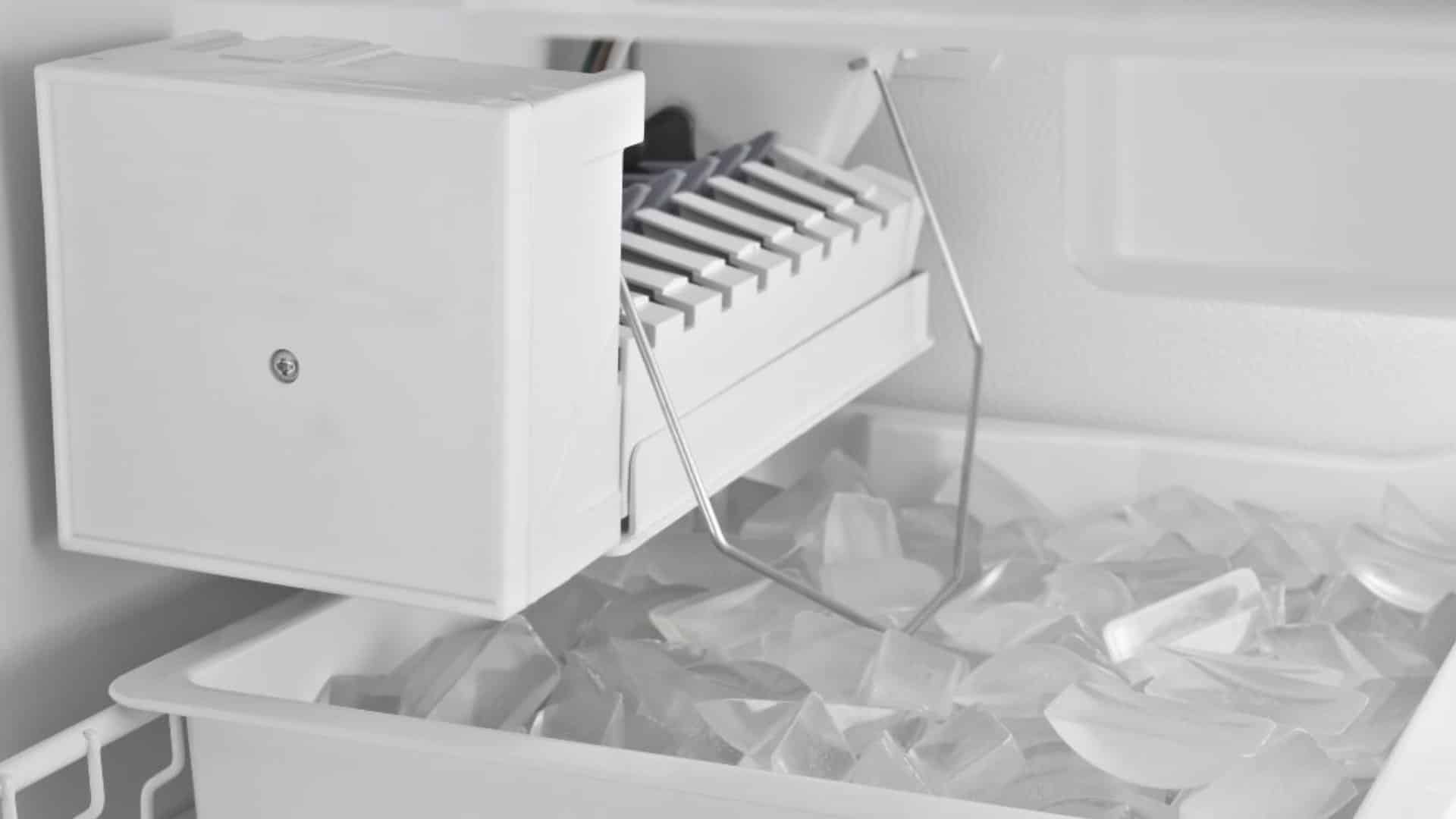
Common Reasons an Ice Maker Stops Making Ice
Why an ice maker may stop producing ice and when professional service is recommended
An ice maker that suddenly stops making ice can be frustrating, especially during warmer months or when ice is used daily. In many cases, the refrigerator appears to be working normally while the ice bin remains empty.
Ice makers rely on proper freezer temperature, water supply, and internal controls to function correctly. If any part of this process is interrupted, ice production may slow down or stop completely.
What Can Cause an Ice Maker to Stop Working
One common reason is improper freezer temperature. Ice makers require consistently cold conditions to produce ice, and even small temperature changes can prevent freezing. If the freezer is not cold enough, ice production may stop without obvious warning.
Water supply issues can also affect ice makers. A restricted or disconnected water line may prevent water from reaching the ice maker, resulting in no ice being formed. In some cases, a clogged water filter can reduce water flow enough to stop ice production.
Mechanical or control-related problems may also be responsible. Faulty ice maker assemblies, sensors, or control boards can interrupt the ice-making cycle even when other refrigerator functions seem normal.
Why Ice Maker Problems Shouldn’t Be Ignored
When an ice maker stops working, it may signal broader issues with temperature control or water flow inside the refrigerator. Ignoring these signs can lead to reduced cooling performance or additional component failures over time.
When Professional Diagnosis Is Recommended
If checking freezer temperature and water supply does not restore ice production, professional diagnosis is recommended. Ice makers involve electrical components, moving parts, and water connections that require proper testing and repair.
From Our Experience at SD Appliance
From our experience at SD Appliance, ice maker failures are often linked to hidden water flow restrictions or temperature-related issues that are not immediately visible. Early diagnosis helps restore reliable ice production and prevents further refrigerator problems.
To keep service coordination efficient and organized, our workflow is supported by the Entire.Today platform, which helps manage service requests, scheduling, and communication throughout the service process.
Final Thoughts
An ice maker that stops making ice is usually a sign that one or more supporting systems need attention. Identifying the cause early and addressing it properly can help restore convenience and maintain reliable refrigerator performance.